Skip to content
Sconce & Socket

Hub

Renter-Safe Smart Lighting

Smart lighting that needs no hub, no neutral wire and no permission from a landlord - because a bulb is a bulb and a switch is an electrical alteration.

A phone on a table beside a lamp glowing warm in a dim apartment living room at night

Sconce & Socket earns a commission on qualifying purchases made through links on this page, at no extra cost to you. It does not change which products we pick. Full disclosure.

01

The line that decides everything here

Smart lighting divides cleanly along one line, and it is not a technical one. Screwing a bulb into a socket or putting a plug between a lamp and an outlet is not an alteration to a property and needs nobody's agreement. Replacing a wall switch is a change to fixed electrical installation - it needs a neutral wire that may not be there, it generally needs a landlord's written permission, and in many places the work is regulated regardless of who owns the building.

That line is why this section leans entirely toward bulbs and plugs. It is not that switches are worse technology - they are better in several concrete ways - but that everything they offer is available from a bulb, a plug or a stick-on remote for less money and no process. The full comparison, including the neutral-wire question, is in smart bulbs vs smart switches.

02

Three components, and the order to buy them

A complete renter-safe smart lighting system. Nothing here touches wiring.
ComponentWhat it doesWhere it goesBuy it
Smart plugSwitches and schedules a whole lamp, with any bulb in itBetween the lamp and the outletFirst
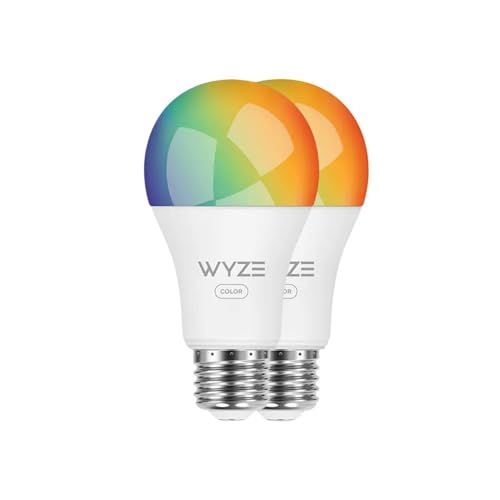
Smart bulbPer-bulb dimming, color temperature, colorIn a lamp or fixture socketWhere you want per-bulb control
Wireless wall remoteA physical button so nobody uses the real switchStuck beside the existing switchAs soon as you share the home

Most people start with bulbs and most people should start with plugs. A smart plug on a floor lamp gives you schedules, voice control and a phone button for less than a smart bulb costs, works with the high-CRI bulb you actually wanted, and does not care how many sockets the lamp has.

Buy smart bulbs where per-bulb control is the point: dimming a bedside lamp from the pillow, shifting a desk lamp cooler during working hours and warmer after, or color anywhere you genuinely want color.

A worked setup for a one-bedroom apartment - four devices, no wiring, all of it packable - is in renter-friendly smart lighting.

03

The wall switch problem, stated honestly

Every smart bulb shares one flaw and it is worth knowing before you spend anything: the bulb needs constant power to stay on the network. If anyone turns the light off at the wall, the bulb is not dimmed or scheduled - it is unreachable, and the app cannot bring it back.

In a home shared with other people this is a daily annoyance rather than an edge case. Three mitigations, in order of how well they work: put a battery-powered wireless remote next to the real switch so everyone has something familiar to press; use lamps rather than ceiling fixtures, since a lamp left on is less likely to be switched off out of habit; or agree as a household to leave the switch alone, which works about as well as it sounds.

The fourth option is replacing the switch, and that is the tier-three change this section is built to avoid.

04

What smart lighting is not for

Smart control does not make a room brighter, and it does not make the light in it better. A smart bulb at 800 lumens produces exactly what a plain bulb at 800 lumens produces, and rather fewer smart bulbs publish a CRI figure than plain ones do.

So if the problem is that a room is dark, the answer is in how many lumens does a room need rather than here. If the problem is that the room looks drab, the answer is CRI. Smart lighting solves control: switching a lamp from bed, dimming without a wall dimmer, having the lights on before you get home, and shifting color temperature through the day in a room with no window.

That last one is genuinely valuable, and it is the strongest case for a tunable bulb in a home: cool light during working hours in a windowless office, warm light in the evening, from one socket and with no wiring.

Pages

Everything in Renter-Safe Smart Lighting

FAQ

Questions people actually ask

+Do smart bulbs need a hub?

Wi-Fi bulbs do not - they join your home network directly. Zigbee and Thread bulbs generally need a bridge or border router, though one is often built into a speaker or TV box you already own. Everything recommended here connects over Wi-Fi with nothing extra to buy.

+Can renters install smart lighting?

Yes, as long as it plugs in or screws into a socket. Smart bulbs, smart plugs and battery-powered wall remotes involve no alteration to the property and need nobody's permission. Smart switches are different, because replacing a switch is a change to fixed electrical installation.

+Why does my smart bulb keep going offline?

Almost always because someone used the wall switch. A smart bulb needs constant power to stay on the network, so cutting power at the switch is the equivalent of unplugging it. A stick-on wireless remote beside the real switch is the usual fix.

+What is Matter and should I care?

Matter is a cross-vendor standard, so a Matter device answers to Apple Home, Google Home and Alexa equally instead of picking a side. For something you will own across several tenancies and possibly a change of phone, that portability is worth a small premium.

+Are smart bulbs or smart plugs better value?

Plugs, usually, and most people should start there. A smart plug switches and schedules a whole lamp regardless of how many sockets it has, works with any bulb including a high-CRI one you chose deliberately, and costs less than most smart bulbs.

+Do smart bulbs have good light quality?

Rarely published, which is itself informative - most smart bulb makers do not state a CRI figure at all. Color bulbs are also dimmer in plain white mode than an equivalent white bulb. Where light quality matters, buy a high-CRI bulb and put the smart control in a plug.

Elsewhere

The other sections